
 Free Consult
Inflamed Acne: The Enemy on Your Face
Infected acne is one of the skin problems that undermines many people's confidence. This type of acne tends to be severe and needs proper treatment to stop it spreading or leaving permanent scars. In this article we cover the causes of infected acne, how to treat it, and how to care for your skin to prevent it.
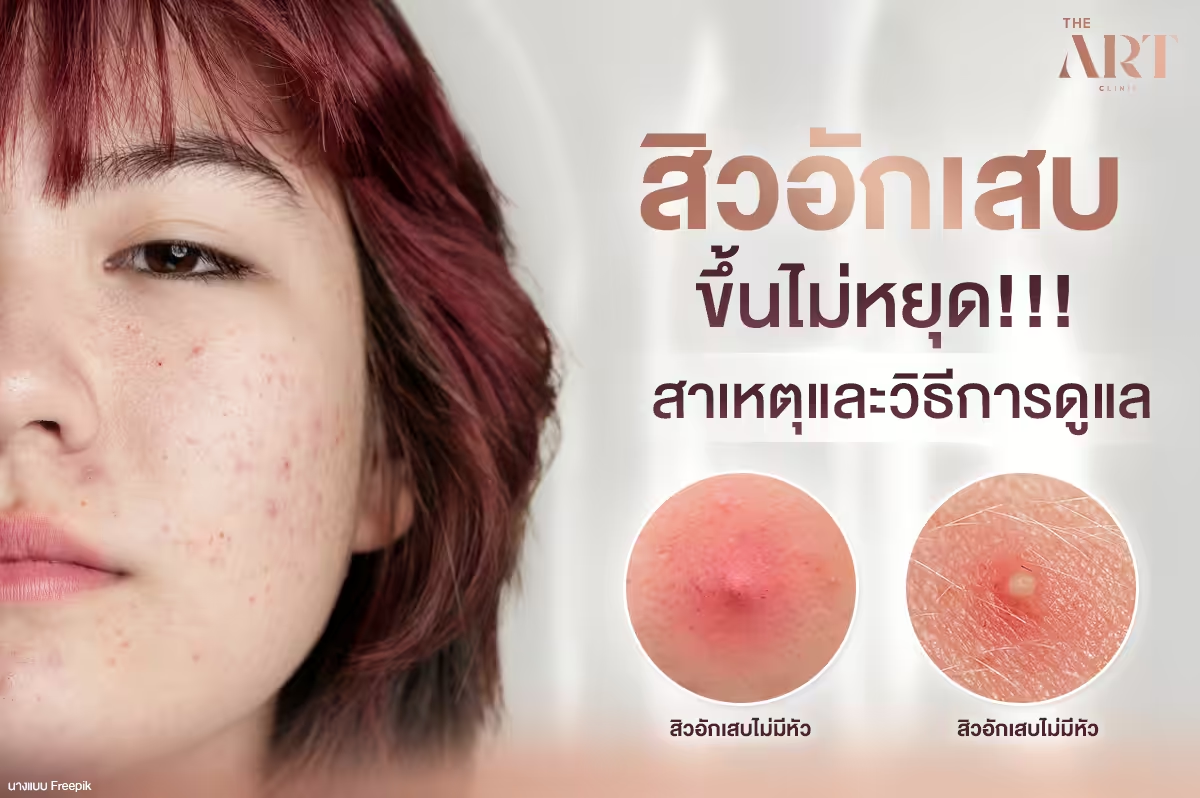
Causes of Infected Acne: Understanding the Root of the Problem
Infected acne arises from inflammation of clogged hair follicles, and several factors contribute to the condition. Recognising and understanding these causes helps you prevent and manage infected acne effectively:
1. Clogged Pores
Pores become clogged through a build-up of the skin's natural oil (sebum) and dead skin cells. Normally these cells shed continuously on their own, but sometimes they fail to shed and accumulate inside the follicle, causing a blockage that turns into acne.
2. Bacterial Overgrowth
The bacterium Propionibacterium acnes (P. acnes) normally lives on the skin and inside follicles. When a blockage occurs, however, it has the opportunity to grow and multiply rapidly, triggering inflammation and infected acne.
3. Excess Oil Production
The sebaceous glands can sometimes produce too much oil beneath the skin — a result of hormones, diet or stress — making acne more likely to develop.
4. Hormonal Changes
Shifts in hormone levels — for example during adolescence, pregnancy or the menstrual cycle — can stimulate the sebaceous glands to produce more oil, making breakouts more likely.
5. Lifestyle and Environmental Factors
Factors such as stress, a high-fat diet and poor hygiene, along with certain pore-clogging products — such as heavy moisturisers or oily sunscreens — can all lead to infected acne.
6. General Health and Personal Hygiene
Good personal care and hygiene are essential — for example washing your face twice a day with a gentle product free of harsh ingredients that could trigger inflammation.
Identifying and managing these factors reduces the risk and impact of infected acne and helps you maintain healthier skin.
How to Treat Infected Acne: Treatment Options and Best Practice
Infected acne is a skin problem that affects not only your appearance but can also cause discomfort and pain. Treatment must focus on reducing inflammation and stopping the spread of bacteria, to prevent it developing into severe inflammatory acne or leaving scars. The main treatment approaches are:
1. Topical Antibiotics
Topical antibiotics are the first-line treatment for infected acne, helping reduce the bacterial load on the skin. Options include clindamycin and erythromycin, which reduce inflammation and stop the infection spreading.
2. Oral Antibiotics
For severe or widespread inflammatory acne, a doctor may prescribe oral antibiotics such as doxycycline or minocycline to treat the condition from within.
3. Topical or Oral Retinoids
Retinoids help regulate oil production and shed dead skin cells — for example tretinoin, or oral isotretinoin — and are typically used for acne that has not responded to other treatments.
4. Technology-Based Treatments Such as Laser and Light Therapy
Laser and light-based treatments can reduce inflammation and the bacteria within follicles. They can also curb oil production and improve overall skin health.
5. Lifestyle Changes and Proper Skin Care
- Cleanse regularly: use a gentle, oil-free cleanser
- Don't squeeze or pick at spots: squeezing or picking spreads bacteria and makes inflammation worse
- Use non-pore-clogging products: choose products labelled non-comedogenic to reduce the chance of blocked pores
Treating infected acne effectively requires assessment by a specialist and regular follow-up, so the condition can be controlled and managed properly — and post-acne scarring prevented.
Preventing Infected Acne: Advice and Best Practice
Preventing infected acne is essential to keeping skin healthy and free of problems that could escalate into something more serious. Prevention not only lowers the risk of infected acne but also improves the skin's overall look and health. Follow these guidelines:
1. Keep Your Face Properly Clean
- Cleanse regularly: use a gentle cleanser suited to your skin type, washing twice a day to reduce the build-up of oil and dirt that can clog pores
2. Avoid Squeezing or Picking at Spots
- Don't squeeze or pick: touching spots with unclean hands can introduce bacteria into inflamed areas, worsening infection and inflammation
3. Use Non-Comedogenic Products
- Choose non-comedogenic products: use skincare that won't clog pores, such as oil-free moisturisers, to reduce the risk of breakouts
4. Manage Stress
- Reduce stress: stress triggers hormones that push the sebaceous glands to produce more oil — stress-relieving activities such as exercise and meditation help lower acne risk
5. Care for Your Hair and Use Cosmetics Carefully
- Keep hair clean: oil and hair products can migrate onto the skin and clog pores, so wash your hair regularly and keep it off your face
- Use makeup carefully: choose suitable, non-irritating cosmetics and always remove makeup thoroughly before bed
Preventing infected acne isn't just about treating existing spots — it also means stopping new breakouts and keeping skin consistently healthy. Following these recommendations will help you maintain clear skin free of infected acne.
