 Free Consult
Ingrown Hairs: Causes, Treatment and Prevention
Ingrown hairs are a skin problem many people experience. They can occur anywhere on the body — on the legs, arms or underarms. Beyond making skin look uneven, they can lead to inflammation and discomfort. Understanding the causes and treatments of ingrown hairs helps restore smooth, even skin.
What Is an Ingrown Hair?
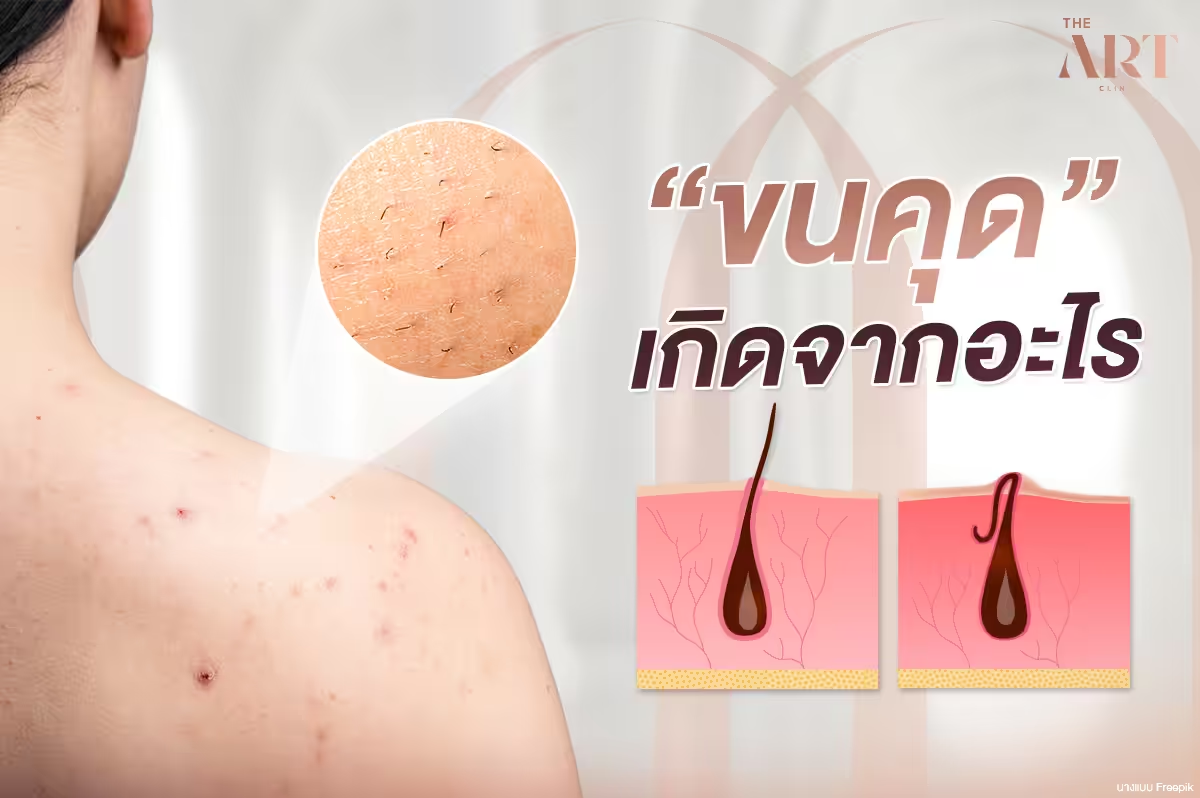
An ingrown hair is a condition in which a hair cannot grow out of the skin normally. Instead of emerging, the hair curls back or grows sideways into the skin. Ingrown hairs can happen to anyone, but the risk is higher in certain situations — for example frequent shaving, wearing tight clothing, or having dry, flaky skin.
What Ingrown Hairs Look Like
Ingrown hairs usually appear as small pimple-like or red bumps. Sometimes they contain pus and become inflamed. They can occur on any part of the body with hair, but are most common in frequently shaved areas such as the face, legs, bikini line and underarms.
Causes of Ingrown Hairs
Ingrown hairs can develop for several reasons, including:
- Improper shaving or plucking: shaving or plucking that breaks the hair or stops it growing out normally causes the hair to curl back into the skin
- Tight clothing: tight garments create friction and skin irritation, which can push regrowing hairs back into the skin
- Dry, flaky skin: dry and flaky skin prevents hairs from growing out normally and clogs the hair follicles
- Improper exfoliation: harsh or overly frequent exfoliation can damage the skin and lead to ingrown hairs
Effects and Symptoms of Ingrown Hairs
Ingrown hairs can cause unpleasant symptoms such as:
- Itching and irritation: ingrown hairs often cause itching and irritation in the affected area
- Inflammation and infection: ingrown hairs that are not cared for properly can become inflamed and infected
- Scarring: severe or chronically inflamed ingrown hairs can leave scars
Preventing Ingrown Hairs
Ingrown hairs can be prevented with proper skin care and correct shaving technique:
- Shave correctly: use a sharp, clean razor, shave in the direction of hair growth, and avoid pressing the razor too hard into the skin
- Use shaving cream: shaving cream or gel softens the skin and reduces friction
- Exfoliate gently: light exfoliation removes dead skin cells and opens the pores, but avoid scrubbing too harshly
- Moisturise: use a moisturising cream or lotion to keep skin from becoming dry and flaky
Treating Ingrown Hairs
If an ingrown hair has already formed, treatment options include:
- Topical creams and medication: use creams containing salicylic acid or benzoyl peroxide to reduce inflammation and unclog pores
- A sterile needle: if the hair is coiled close to the surface, a clean needle can be used to gently lift it out — take care not to cause further inflammation
- Warm compresses: applying a warm compress to the area opens the pores and reduces inflammation
Summary: Caring for and Treating Ingrown Hairs
Ingrown hairs are a skin problem that can be both prevented and treated. Shaving correctly, using suitable skincare products and keeping the skin clean all reduce the chance of ingrown hairs forming. If they do occur, topical creams, a sterile needle and warm compresses help treat them and calm the inflammation.
What Causes Ingrown Hairs?
An ingrown hair occurs when a hair cannot emerge from the follicle normally and instead curls back or grows into the skin. This failure to grow out normally can result from several causes:
1. Improper Shaving or Hair Removal
Shaving and plucking are the main causes of ingrown hairs. Shaving too close to the skin leaves the hair tip sharp and pointed; as the hair regrows, that sharp tip can curl back and pierce into the skin. Likewise, hair-removal methods that snap the hair mid-shaft can leave the regrowing hair unable to break through the skin normally.
2. Friction from Clothing or Pressure
Tight clothing or constant pressure on hair-bearing areas can stop hairs from growing out normally. Friction from fabric pushes hairs back into the skin, which is most common in high-friction areas such as the bikini line, underarms and legs.
3. Dry, Congested Skin
Dry, flaky skin clogs the hair follicles so hairs cannot emerge normally. Blockages from dead skin cells and accumulated oil force hairs to curl back into the skin. In addition, excessive keratin production (Keratosis Pilaris) can also plug follicles and cause ingrown hairs.
4. Genetics and Hair Type
Genetics play an important role in ingrown hairs. People with curly or coarse hair are more prone to them than people with straight hair, because curly hair is more likely to bend and coil back into the skin.
5. Improper Exfoliation
Exfoliating too often, or using scrubs with large beads, can irritate the skin and damage the follicle structure so hairs cannot grow out normally. Exfoliation should be gentle and not too frequent to avoid irritating the skin.
6. Unsuitable Skincare Products
Products that dry the skin or clog pores can cause ingrown hairs — for example, products containing mineral oil or silicones that block follicles. Choosing products with exfoliating ingredients such as salicylic acid or glycolic acid helps reduce ingrown hairs.
Skin Care to Prevent Ingrown Hairs
Preventing ingrown hairs starts with proper skin care and choosing the right products. Here are effective prevention steps:
- Shave correctly: use a sharp, clean razor, shave in the direction of hair growth, and avoid pressing too hard into the skin
- Exfoliate gently: light exfoliation removes dead skin cells and opens pores — never scrub harshly
- Moisturise: use a hydrating cream or lotion to keep skin from becoming dry and flaky
- Use exfoliating ingredients: products with salicylic acid or glycolic acid reduce clogged follicles and help prevent ingrown hairs
Summary: What Causes Ingrown Hairs?
Ingrown hairs result from a combination of factors: improper shaving or hair removal, friction from clothing or pressure, dry congested skin, genetics and hair type, harsh exfoliation, and unsuitable skincare products. Proper skin care and prevention greatly reduce the chance of ingrown hairs developing.
What Do Ingrown Hairs Look and Feel Like?
An ingrown hair is a common skin problem in which a hair cannot grow out of the follicle normally, instead curling back or growing into the skin and causing unpleasant symptoms. Ingrown hairs can occur on any hair-bearing part of the body but are most common in frequently shaved or waxed areas such as the face, legs, bikini line and underarms. Here are the characteristics and symptoms in detail:
Characteristics of Ingrown Hairs
Ingrown hairs have distinctive, easily recognisable features:
- Small bumps (papules): ingrown hairs usually appear as small red or pink bumps, typically after shaving or hair removal
- Pus-filled bumps (pustules): in some cases an ingrown hair forms a pustule containing pus, usually due to bacterial infection of the follicle
- Embedded hair: the coiled or in-grown hair can often be seen clearly — looking closely reveals the hair inside the bump
Symptoms of Ingrown Hairs
Ingrown hairs can cause a range of unpleasant symptoms:
- Itching and irritation: the affected area often itches and feels irritated, and itching may worsen with touch or pressure
- Inflammation and swelling: the area around an ingrown hair can become inflamed and swollen, with red-looking skin
- Pain: if the ingrown hair becomes infected or severely inflamed, the area can become painful
- Scarring: ingrown hairs that are not treated properly or stay chronically inflamed can scar, especially if scratched or squeezed
Causes of Ingrown Hairs
Ingrown hairs have many causes, including improper shaving or hair removal, friction from clothing or pressure, dry congested skin, genetics and hair type, harsh exfoliation, and unsuitable skincare products.
Treatment and Prevention
Ingrown hairs can be treated with topical creams and medication, gently lifting the hair out with a sterile needle, warm compresses, and keeping the skin clean. To prevent them, shave correctly, use shaving cream, exfoliate gently, keep skin moisturised, and use products with exfoliating ingredients.
Summary: What Are Ingrown Hairs Like?
Ingrown hairs occur when hair cannot emerge from the follicle normally and instead curls back into the skin, creating small bumps, pustules and visible embedded hairs. They can cause itching, irritation, inflammation, swelling and pain. Proper skin care and prevention reduce the chance of them developing.
Infected and Inflamed Ingrown Hairs: Causes and Treatment
An inflamed ingrown hair is a condition in which the ingrown hair triggers inflammation in the follicle and surrounding tissue. This inflammation can cause pain and irritation and may lead to infection. Understanding the causes and treatments of inflamed ingrown hairs is essential for preventing and managing the problem effectively.
Causes of Inflamed Ingrown Hairs
Ingrown-hair inflammation can arise from several factors:
- Bacterial infection: when an ingrown hair is not properly cared for, bacteria can enter the follicle and cause infection, inflammation and pus
- Scratching and squeezing: scratching or trying to squeeze the hair out can inflame and infect the surrounding skin; squeezing without a clean, sterile technique makes it easier for bacteria to enter the follicle
- Irritating products: skincare or shaving products containing harsh chemicals can weaken the skin and make it prone to inflammation
- Improper shaving or hair removal: methods that snap the hair mid-shaft or block normal regrowth cause the hair to curl into the skin and become inflamed
- Clogged follicles: a build-up of dead skin cells and oil blocks the follicle so the hair cannot grow out normally, leading to inflammation
Symptoms of Inflamed Ingrown Hairs
Inflamed ingrown hairs can cause unpleasant symptoms such as:
- Red, swollen bumps: skin around an inflamed ingrown hair becomes red and swollen, often itchy and irritated
- Pustules: with bacterial infection, the bump may turn into a pustule filled with pus
- Pain: inflammation and infection make the affected area painful
- Scarring: untreated or chronically inflamed ingrown hairs can leave scars
Treating Inflamed Ingrown Hairs
Inflamed ingrown hairs can be treated in several ways:
- Cleansing and hygiene: wash the affected area with warm water and a mild soap to remove bacteria and dirt that may aggravate inflammation — keeping the skin clean is key to reducing it
- Topical creams and medication: use creams containing salicylic acid or benzoyl peroxide to reduce inflammation and kill bacteria; a steroid cream can also help calm inflammation and itching
- Warm compresses: a warm compress opens the pores and reduces inflammation — gently pressing a warm, damp towel on the area helps the trapped hair emerge more easily
- A sterile needle: if the hair is coiled near the surface, gently lift it out with a clean needle, taking care not to cause further inflammation; always work carefully and in clean conditions
- Antibiotics: for severe bacterial infection, a doctor may prescribe antibiotics as a cream or tablets to clear the bacteria and reduce inflammation
Preventing Inflamed Ingrown Hairs
Inflamed ingrown hairs can be prevented with proper skin care and the right precautions:
- Shave correctly: use a sharp, clean razor, shave in the direction of hair growth, and avoid pressing too hard into the skin
- Moisturise: use a hydrating cream or lotion to keep skin from becoming dry and flaky
- Use exfoliating ingredients: products with salicylic acid or glycolic acid reduce clogged follicles and help prevent ingrown hairs
- Avoid scratching and squeezing: leave the area alone to minimise irritation and inflammation
Summary: Inflamed Ingrown Hairs — Causes and Treatment
Inflamed ingrown hairs occur when a hair cannot emerge from the follicle normally, leading to inflammation and infection. The main causes are bacterial infection, scratching and squeezing, irritating products, improper shaving or hair removal, and clogged follicles. Treatment includes cleansing, topical creams, warm compresses, a sterile needle and antibiotics. Prevention starts with proper skin care and correct technique.
How Are Ingrown Hairs Treated?
Treating ingrown hairs matters because it prevents the inflammation and infection that can follow. Care ranges from simple home treatment to professional procedures:
1. Treating Ingrown Hairs at Home
Home care is the first step and is simple and safe:
- Cleanse the skin: wash the affected area with warm water and a mild soap to remove dirt and bacteria that could cause inflammation
- Exfoliate gently: use a fine-bead scrub or soft brush to lift away dead skin cells and open the pores — always with a light touch to avoid irritation
- Warm compresses: pressing a warm, damp towel on the area opens the pores and reduces inflammation, helping the trapped hair emerge
- A sterile needle: if the hair is coiled near the surface, gently lift it out with a clean needle, taking care not to cause further inflammation; work carefully and in clean conditions
- Topical creams and medication: use creams containing salicylic acid or benzoyl peroxide to reduce inflammation and kill bacteria; a steroid cream can also calm inflammation and itching
2. Skincare Ingredients That Help Treat Ingrown Hairs
- Salicylic acid: exfoliates dead skin cells and reduces clogged follicles; available as toners or cleansing gels
- Benzoyl peroxide: kills bacteria and reduces inflammation; available as a gel applied to the affected area
- Glycolic acid: exfoliates the skin and reduces clogged follicles; available as toners or serums
- Niacinamide: reduces inflammation and boosts skin hydration; available as serums or moisturisers
3. Professional Treatment
When ingrown hairs are severely inflamed or have not been properly cared for, professional treatment may be necessary:
- Laser treatment: lasers remove the hair and reduce inflammation — an effective way to reduce ingrown hairs over the long term
- Microneedling: stimulates collagen production and skin renewal, helping reduce scarring and inflammation caused by ingrown hairs
- Antibiotics: for severe bacterial infection, a doctor may prescribe antibiotic cream or tablets to clear the bacteria and reduce inflammation
4. Preventing Ingrown Hairs
Prevention starts with proper skin care and the right precautions:
- Shave correctly: use a sharp, clean razor, shave in the direction of hair growth, and avoid pressing too hard into the skin
- Moisturise: use a hydrating cream or lotion to keep skin from becoming dry and flaky
- Use exfoliating ingredients: products with salicylic acid or glycolic acid reduce clogged follicles and help prevent ingrown hairs
- Avoid scratching and squeezing: leave the area alone to minimise irritation and inflammation
Summary: Treating Ingrown Hairs
Ingrown hairs are treated through proper skin care and exfoliating skincare. Cleansing, gentle exfoliation, warm compresses and lifting the hair with a sterile needle handle most early cases. For severe inflammation or infection, laser treatment, microneedling and antibiotics are effective options. Prevention relies on correct skin care and exfoliating products.
Do Ingrown Hairs Go Away on Their Own?
Ingrown hairs can resolve on their own in some cases, though it may take several days to weeks. Whether one clears by itself depends on factors such as how deep it sits, your skin condition and how well the skin is cared for. In some cases, however, an ingrown hair will not resolve on its own and needs further treatment:
Factors That Affect Self-Healing
- Depth of the ingrown hair:
– hairs sitting close to the surface are more likely to clear on their own, since they can emerge more easily
– deep hairs coiled back into the skin are less likely to resolve unaided, since they cannot grow out normally - Skin condition:
– hydrated, healthy skin gives an ingrown hair a better chance of clearing on its own than dry, irritated skin
– good skin care such as moisturising and gentle exfoliation improves the odds of self-healing - Proper skin care:
– keeping the area clean and avoiding squeezing or scratching reduces inflammation and increases the chance the hair clears by itself
When Ingrown Hairs Heal on Their Own
Mild ingrown hairs without inflammation or infection can resolve unaided. This usually happens as the skin sheds old cells and the hair manages to grow out of the follicle normally. The process can take time, however, and depends on the factors above.
When Ingrown Hairs Don't Heal on Their Own
In some cases an ingrown hair will not resolve by itself and needs further treatment, for example:
- Inflamed or infected ingrown hairs: these may not clear unaided and can require antiseptic treatment or antibiotics
- Frequently recurring ingrown hairs: recurring cases that are not properly treated may need additional treatment such as laser hair removal or exfoliating skincare
- Painful or irritating ingrown hairs: if an ingrown hair causes significant pain or irritation, see a doctor for treatment
Treating Ingrown Hairs That Won't Clear
If an ingrown hair does not resolve on its own, these treatments can help:
- Cleansing and hygiene: wash the affected area with warm water and mild soap to remove bacteria and dirt that could cause inflammation
- Topical creams and medication: use creams containing salicylic acid or benzoyl peroxide to reduce inflammation and kill bacteria
- Warm compresses: a warm compress opens the pores and reduces inflammation, helping the trapped hair emerge more easily
- A sterile needle: if the hair is coiled near the surface, gently lift it out with a clean needle, taking care not to cause further inflammation
- Laser treatment: lasers remove hair and reduce inflammation — an effective long-term way to reduce ingrown hairs
Summary: Do Ingrown Hairs Go Away by Themselves?
Ingrown hairs can clear on their own in some cases, especially shallow ones without inflammation or infection. Others will not resolve unaided and need further treatment. Proper skin care, exfoliating products and prevention are the most effective route to clearing ingrown hairs.
Preventing Ingrown Hairs
Prevention is key to reducing both ingrown hairs and the discomfort they cause. Following the right preventive steps keeps skin healthy and minimises the problem:
1. Shave Correctly
Shaving is the main cause of ingrown hairs. Correct technique greatly reduces the risk:
- Use a sharp, clean razor: a sharp blade shaves smoothly and reduces irritation — change blades often to prevent infection
- Shave in the direction of hair growth: this reduces tugging on the hair and helps prevent ingrown hairs
- Use shaving cream or gel: it softens the skin and reduces friction — choose a formula with skin-conditioning ingredients
2. Exfoliate Properly
Exfoliation removes dead skin cells and opens the pores, but should be gentle and not too frequent:
- Use a fine-bead scrub: small beads lift away dead skin cells without irritating the skin
- Exfoliate gently and sparingly: keep it light and limit exfoliation to once or twice a week to avoid irritation
3. Keep Skin Moisturised
Moisturising prevents the dryness and clogged follicles that cause ingrown hairs:
- Use a hydrating cream or lotion: look for moisturising ingredients such as hyaluronic acid and glycerin
- Choose non-comedogenic products: products labelled non-comedogenic won't clog pores, helping prevent ingrown hairs
4. Use Exfoliating Skincare Ingredients
Exfoliating ingredients reduce clogged follicles and prevent ingrown hairs:
- Salicylic acid: exfoliates dead skin cells and reduces clogged follicles; available as toners or cleansing gels
- Glycolic acid: exfoliates the skin and reduces clogged follicles; available as toners or serums
5. Avoid Tight Clothing
Tight clothing creates friction and inflames the skin, a common cause of ingrown hairs:
- Choose loose, breathable clothing: this reduces friction and irritation on the skin
6. Avoid Scratching and Squeezing
Scratching or squeezing the area can cause inflammation and infection:
- Leave ingrown hairs alone: if the area itches or feels irritated, use an anti-itch cream instead of scratching or squeezing
7. Eat a Skin-Friendly Diet
Nutrients that support skin repair are an important part of prevention:
- Foods high in vitamins C and E: these vitamins support skin repair and nourishment — think oranges, lemons, leafy greens and nuts
- Foods rich in omega-3 fatty acids: omega-3s reduce inflammation and nourish the skin — for example salmon, flaxseed and walnuts
Summary: Preventing Ingrown Hairs
Ingrown hairs are prevented by shaving correctly, exfoliating gently, keeping skin moisturised, using exfoliating skincare, avoiding tight clothing, not scratching or squeezing, and eating a nourishing diet. Proper skin care and the right precautions reduce ingrown hairs and keep skin healthy.
Conclusion
Ingrown hairs are a common skin problem, but with the right approach they can be treated and prevented. Understanding the causes, using products that keep follicles clear, caring for your skin consistently and avoiding the habits that trigger ingrown hairs will keep your skin smooth and bump-free. Consulting a specialist or dermatologist ensures you receive the most suitable treatment advice.
