
 Free Consult
Understanding Stone Acne: Causes, Treatment, and Care
Stone acne is a skin problem caused by clogged sebaceous glands. It is most often found in adults and can cause real discomfort. This type of acne differs from ordinary breakouts because the bumps are hard and non-inflamed. This article takes a deep look at the causes of stone acne, the treatment options that work, and how to care for your skin to keep it from coming back.
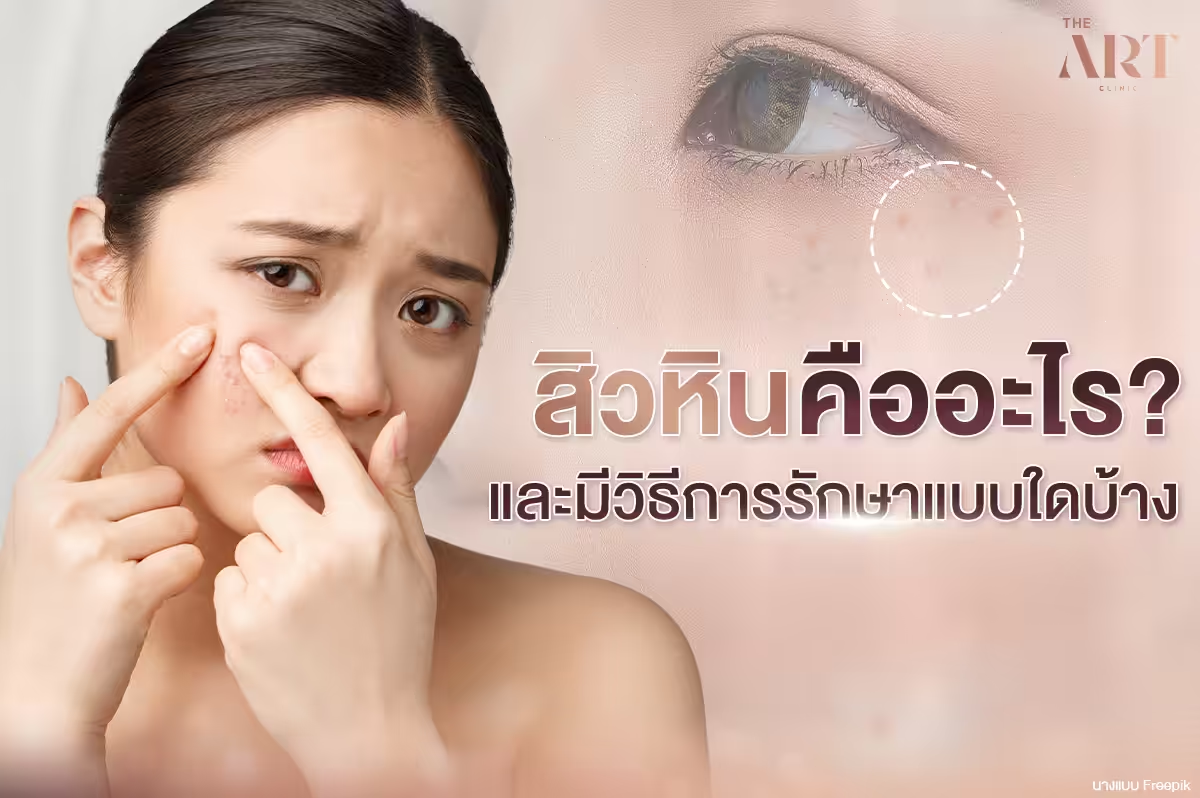
What Is Stone Acne?
Stone acne is a type of acne that forms when pores become blocked with oil from the sebaceous glands and dead skin cells. Unlike typical inflammatory acne, there is no inflammation or pus. Stone acne usually appears as small bumps on the skin, white or black in colour, that feel hard to the touch. There are two main types:
- Blackheads: clogged pores that remain open at the skin's surface, turning dark as the oil and dead skin cells oxidise on contact with air
- Whiteheads: clogged pores that are sealed over by skin, appearing white or skin-coloured because the oil and dead cells are not exposed to air
Causes of Stone Acne
Stone acne develops when dead skin cells and oil from the skin's sebaceous glands mix together and block the pores. Factors that contribute to stone acne include:
- Excess oil production: by the skin's sebaceous glands, which can be triggered by hormonal changes, stress, or diet
- Build-up of dead skin cells: inadequate shedding of skin cells leads to clogged pores
- Genetic factors: some people are genetically more prone to developing stone acne than others
- Certain products: heavy, oily products or pore-clogging ingredients can trigger stone acne
Treating Stone Acne
Stone acne is a challenging skin problem that calls for comprehensive, consistent management to reduce pore blockages and prevent recurrence. These are the main treatment approaches used to manage stone acne:
1. Deep Cleansing
Cleansers containing ingredients such as salicylic acid or glycolic acid help dissolve blockages inside the pores and promote the shedding of dead skin cells. Used consistently, these products can help reduce the formation of new stone acne.
2. Retinoids
Retinoids (a form of vitamin A) can be used as a topical treatment to speed up skin-cell turnover, reducing the build-up of dead cells that can clog pores. Retinoid use should be supervised by a doctor, as it can make the skin sun-sensitive and cause irritation.
3. Exfoliation
In-clinic or spa treatments such as microdermabrasion or chemical peels slough off dead skin cells and encourage new cell renewal. These procedures keep pores clear and reduce the formation of stone acne.
4. Laser and Light Therapy
Laser treatment and light-based therapy can help reduce oil production and boost skin-cell turnover. These methods can improve the skin's appearance and reduce how often stone acne occurs.
5. At-Home Care
Skincare products with acne-fighting ingredients such as tea tree oil or zinc-based acids can help reduce pore blockage and follicular inflammation.
Treating stone acne takes consistent care, and the approach may need to be adjusted to each individual's circumstances. Consulting a dermatologist is essential to develop the safest, most suitable treatment plan for you.
Stone Acne Treatment Methods
Stone acne treatment aims to reduce pore blockage and prevent recurrence, using a range of methods both medical and at home, including:
1. Exfoliating Products
- Salicylic acid: helps dissolve blockages inside the pores, reducing congestion and the formation of new stone acne
- Glycolic acid: exfoliates dead skin cells and improves uneven skin texture
- Topical retinoids: such as tretinoin or adapalene, which stimulate cell turnover and prevent pores from clogging
2. Deep Facial Cleansing
- Deep cleansing: use a facial cleanser containing salicylic or glycolic acid to help remove dirt and oil that accumulate on the skin
- Pore-clearing products: these are designed to absorb the oil and dead skin cells that can lead to blockages
3. Specialised Clinical Treatments
- Chemical peels: concentrated chemical solutions lift away the top layer of skin, clearing clogged pores and stimulating new cell growth
- Photodynamic therapy: this treatment combines a special light with a photosensitising agent to reduce congestion and kill acne-causing bacteria
4. Home Care
- Tar-based masks: can absorb excess oil and help keep pores clean
- Choosing non-clogging products: look for products labelled 'non-comedogenic', meaning they are unlikely to block pores
Getting the Best Results
For the best results in treating stone acne, consult a skin specialist for advice tailored to your skin condition and acne type, and follow up regularly so the treatment can be adjusted as your skin changes.
Precautions When Treating Stone Acne
Treating stone acne may seem straightforward, but care is needed to avoid side effects and achieve the best outcome. These are the key precautions:
1. Never Squeeze or Pick at the Bumps Yourself
Trying to squeeze or extract stone acne yourself can make things worse. Squeezing can lead to inflammation, infection, and scarring. Leave extractions to a professional working in a clean, appropriate environment.
2. Choose Suitable Products
Products that do not suit your skin type, or that contain overly harsh ingredients, can irritate the skin and make stone acne worse. Choose products labelled non-comedogenic and oil-free.
3. Use Products as Directed
Using stone acne treatments such as retinoids or chemical acids too heavily or too often can leave the skin irritated or severely dry, which can aggravate the condition. Always follow your doctor's or specialist's instructions.
4. Protect Your Skin from the Sun
Some products, such as retinoids and chemical acids, can make the skin more sun-sensitive. Unprotected sun exposure can damage the skin or darken post-acne marks. Wear a suitable sunscreen whenever you are out in the sun.
5. Follow Up on Treatment Regularly
Treating stone acne can take time, and the approach may need adjusting along the way. Schedule regular follow-ups with a specialist to evaluate progress and modify the treatment as needed.
Following these precautions will help your stone acne treatment deliver the best possible results while minimising the risk of side effects and follow-on skin problems.
Conclusion
Stone acne can be a frustrating and stubborn skin problem, but by understanding its causes and using the right treatments, you can minimise its impact and prevent it from returning. Consulting a skin specialist remains essential to finding the treatment approach that suits you best.
