
 Free Consult
Fillers! A Versatile Option for Reshaping Your Face
Fillers are a great answer for anyone looking to reshape the face, restore volume, and correct small imperfections in a way that is safe and delivers fast results. Whether it is softening wrinkles, adding fullness, or rebalancing the facial structure, fillers can address a wide range of needs. They are also a flexible option, ideal for those who want to try a new look before committing to a permanent procedure. This article introduces you to fillers in depth, with guidance on how to choose them and care for yourself properly to get the best results.

Key Takeaways :
- Fillers are injectable volumising substances popular for facial reshaping — softening wrinkles, restoring fullness, and correcting facial imperfections — and are reasonably safe when administered by a doctor
- Fillers suit those who want a temporary facial change before committing to a permanent procedure, and can reshape many areas such as the nasolabial folds, under-eyes, chin, and lips
- Fillers are not permanent if you choose hyaluronic acid filler, which can be dissolved and easily corrected if you are unhappy with the result
- The market offers many filler brands and product lines, each with distinct strengths for different needs — filling deep folds, adding fullness, or bringing the face into better proportion
Let's Get Clear: What Exactly Is a Filler?

A filler injection introduces a substance into the skin to firm it, soften wrinkles, or add volume to parts of the face such as the lips, cheeks, or nasolabial folds. Fillers typically consist of substances that are very safe and integrate well with the skin, such as hyaluronic acid, calcium hydroxylapatite, poly-L-lactic acid, or fat taken from the client's own body
Filler injections should always be performed by a doctor to avoid side effects and achieve the best result. Results are temporary and depend on the filler type and injection area — generally lasting around 6 months to 2 years before being absorbed and broken down by the body
Types of Fillers
Fillers come in several types with different properties and uses, to suit each person's needs and skin. They fall into three main categories: temporary, semi-permanent, and permanent fillers
- Temporary fillers : usually based on hyaluronic acid (HA), these are very safe and can be reversed if desired. Their main purpose is to replenish volume beneath the skin lost to age-related structural decline, softening wrinkles and firming the skin, as well as adding volume to the lips or cheeks. Results last around 6 months to 1 year before naturally breaking down in the body
- Semi-permanent fillers : this group includes poly-L-lactic acid (PLLA) and calcium hydroxylapatite (CaHA), which are denser and longer-lasting than temporary fillers. PLLA in particular stimulates the body to build new collagen. These fillers are typically used for facial restructuring or filling deep wrinkles; results appear gradually and last longer than a year
- Permanent fillers : fillers such as polymethylmethacrylate (PMMA) or silicone remain in the body permanently. These are not used in Thailand and are considered counterfeit fillers, because of the risk of the substance migrating and distorting the face, and because they remain under the skin without dissolving. Removal requires surgical scraping of the filler
Where Can Fillers Be Injected? How Many CC per Area?
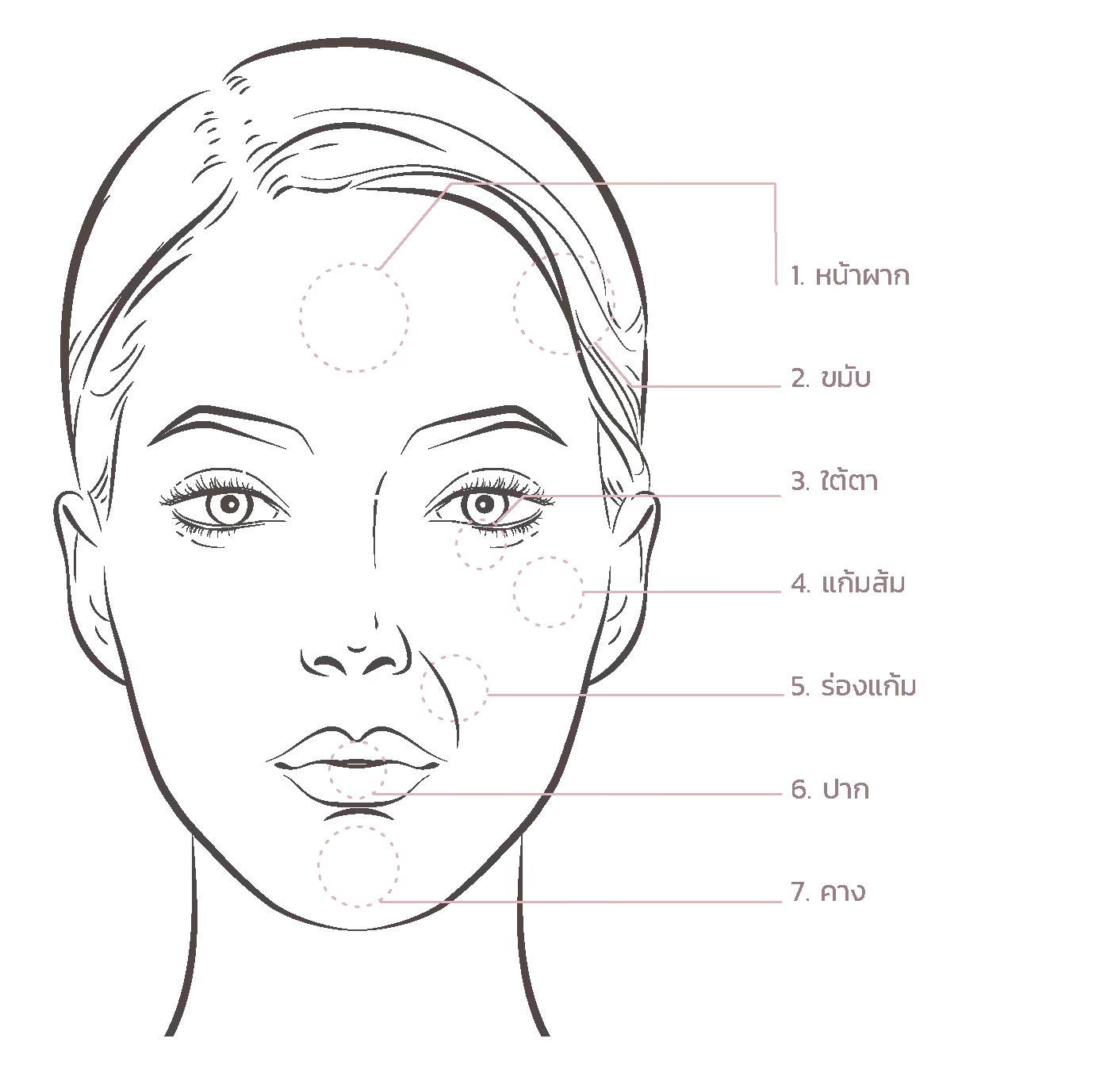
Filler injections can bring the face into better proportion. Using filler at different points of the face corrects problems or enhances beauty exactly where needed, with each area requiring a different amount:
Nasolabial Fold Filler
Nasolabial fold filler reduces wrinkles and sagging in this area, leaving the skin smoother and fuller. Typically around 1-3 CC per side is used
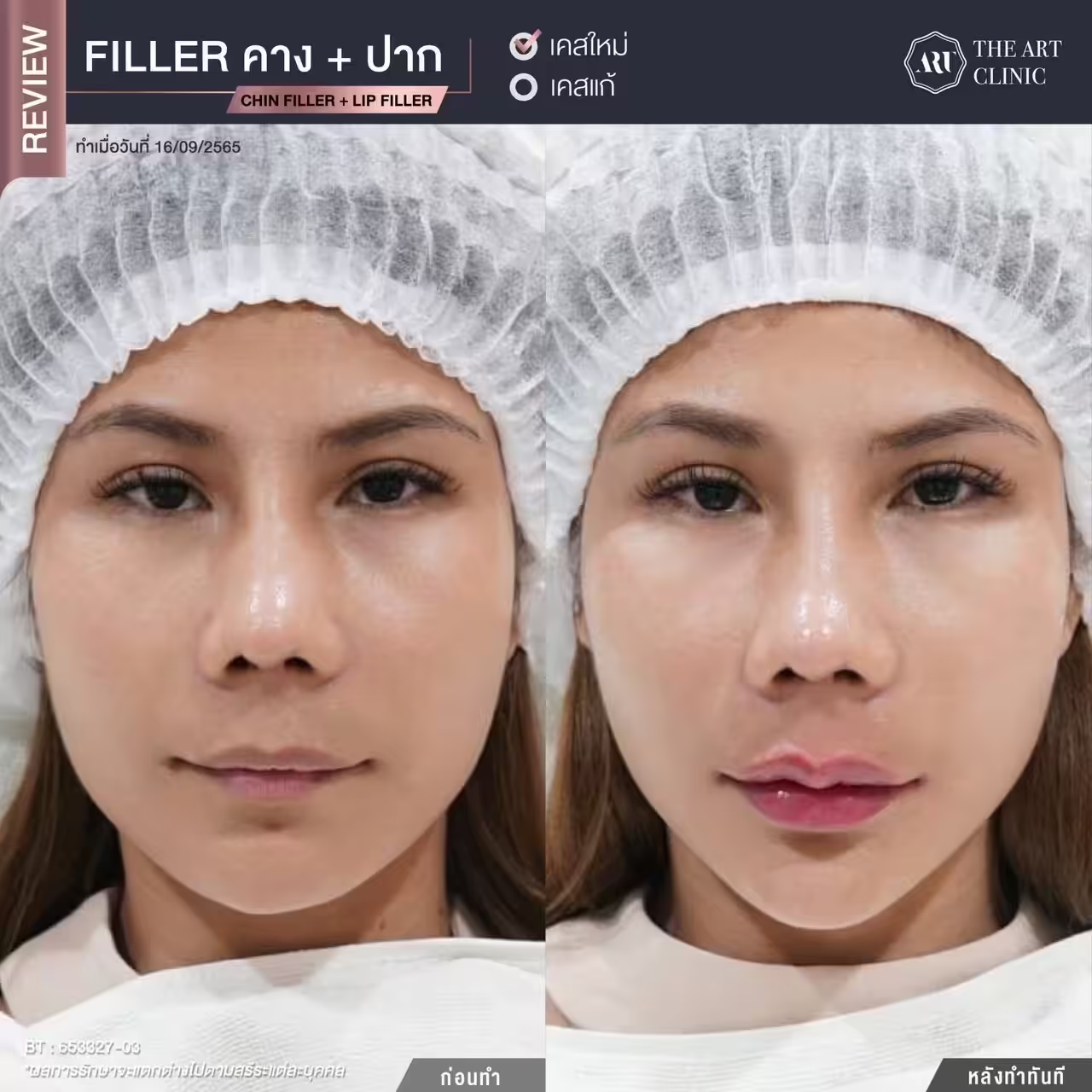
Chin Filler
Chin filler slims and refines the chin line using around 1-2 CC, bringing the face into better proportion and adding dimension to the facial structure
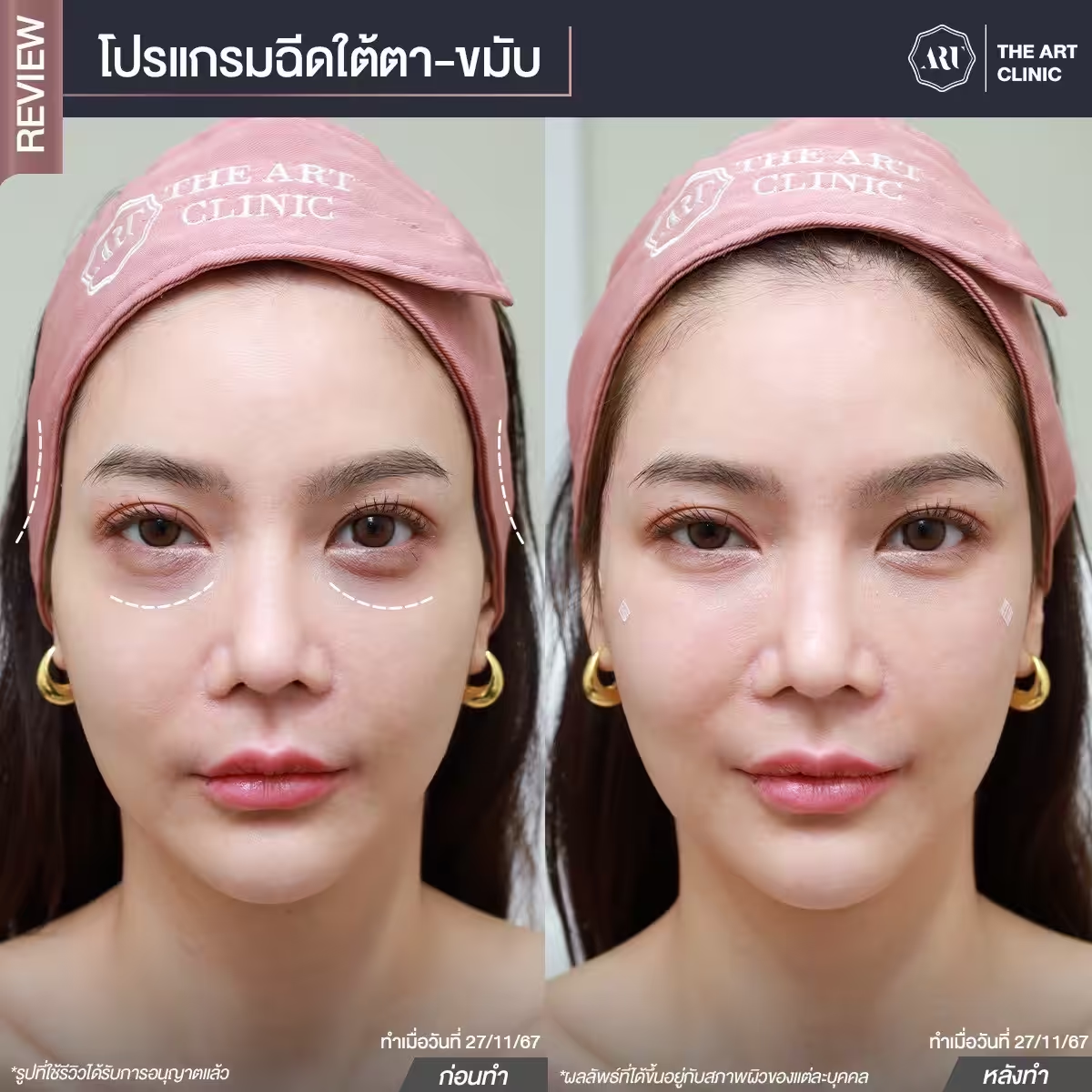
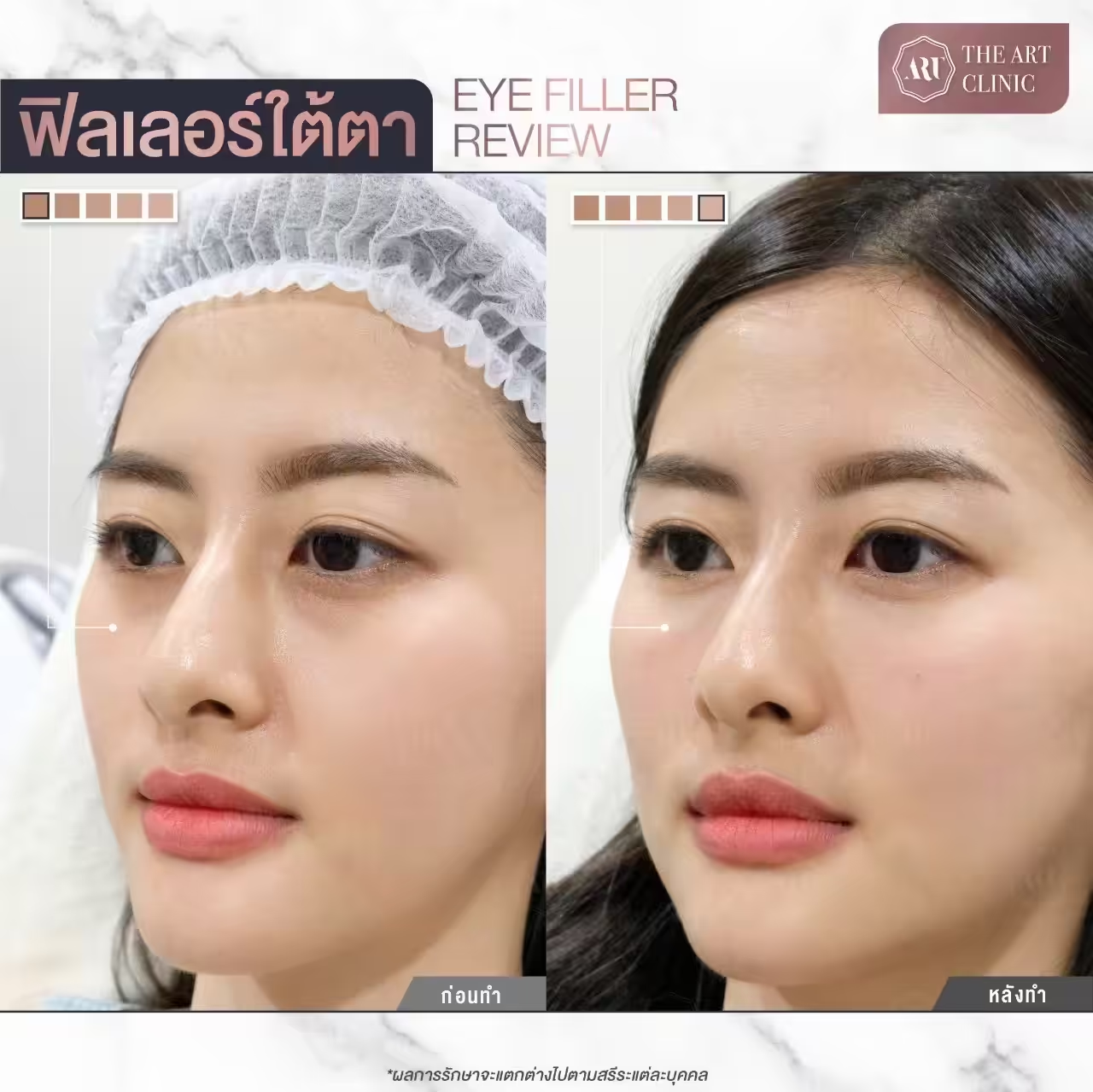
Under-Eye Filler
Under-eye filler suits those with sagging under-eye skin or under-eye wrinkles caused by collagen loss and age-related recession of the orbital bone. The injection restores volume for a fresher look and reduces dark circles, using around 1-3 CC per side. The result is firmer, brighter under-eye skin
Temple Filler
Temple filler restores volume to temples that look flat or hollow, bringing the face into better proportion, making the temples look full, and giving the face a more youthful shape. Typically around 2-4 CC per side is used
Forehead Filler
Forehead filler smooths the forehead and fills in creases caused by muscle movement, using around 3-5 CC to bring the face into better proportion
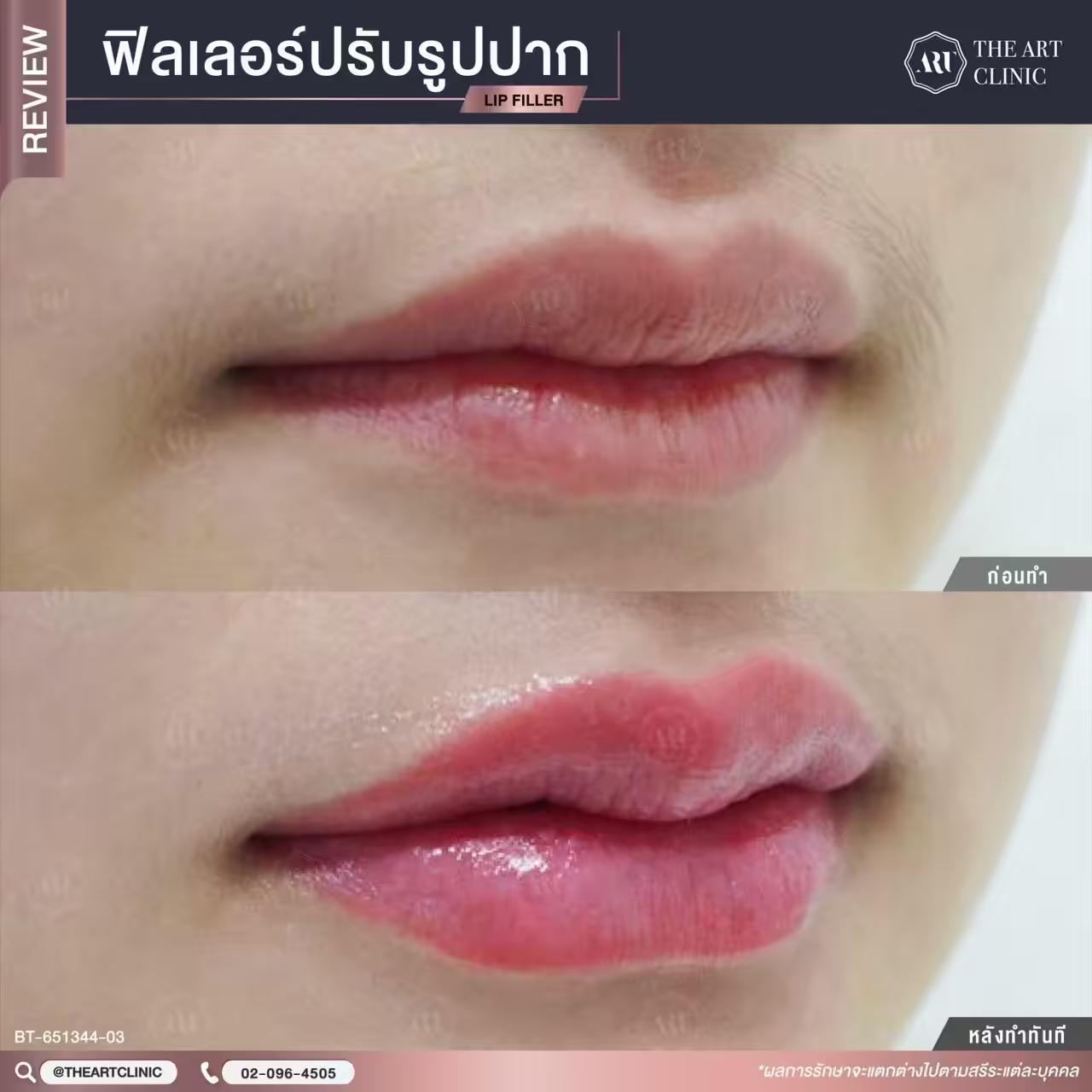
Lip Filler
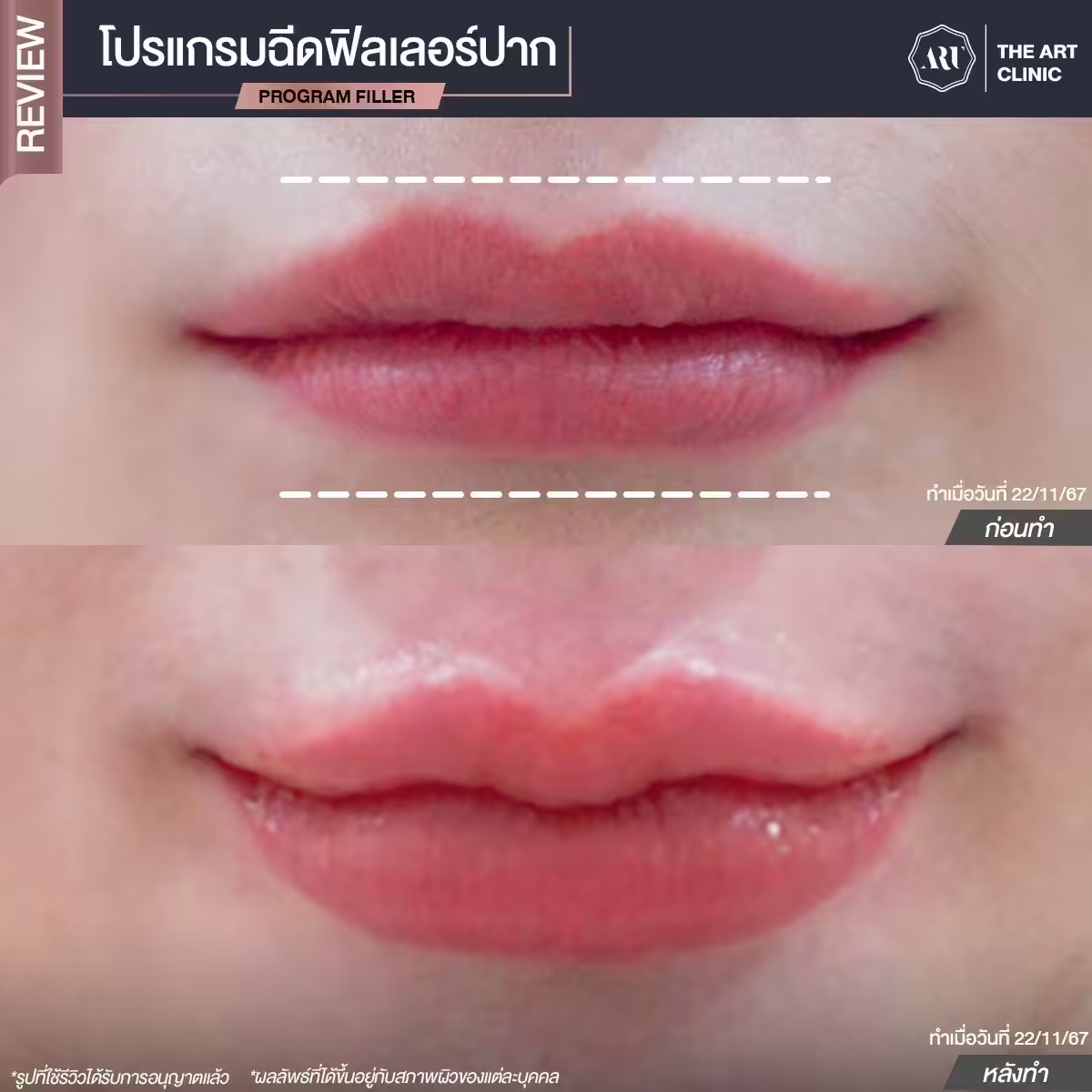
Lip filler adds fullness to thin lips or fills fine lines around the mouth, using around 1-2 CC to make the lips look full and dimensional
Cheek (Apple Cheek) Filler
Apple-cheek filler restores volume to cheeks that look flat or deflated, making the face look younger and more vibrant. Around 1-2 CC across both sides adds volume to the cheeks and reduces creasing in this area
Which Filler Brands Are There? How Do They Differ?
Fillers come in many brands, each produced by a different company using its own signature technology. Choosing a brand can come down to the properties of each product line and how well it suits the problem being treated. The most popular filler brands are:
Juvederm
Juvederm is a filler from the United States made from cross-linked hyaluronic acid, which keeps the filler smooth and lump-free, prevents migration, makes it easy to sculpt, and blends seamlessly with the skin tissue. Results last between 9-24 months depending on the product line and treatment area
Juvederm offers several lines, divided by the cross-linking technology used: Hylacross technology, which retains water well and gives the skin a plump look, and Vycross technology, which excels at lifting and shaping, lasts longer, but retains less water than Hylacross
Popular Juvederm lines include:
- Hylacross technology
Juvederm Ultra XC : lasts up to 9 months
Juvederm Ultra Plus XC : lasts up to 12 months - Vycross technology
Juvederm Volite: lasts up to 9 months
Juvederm Volbella: lasts up to 12 months
Juvederm Volift: lasts up to 18 months
Juvederm Volux: lasts up to 18-24 months
Juvederm Voluma : lasts up to 24 months
Neuramis
Neuramis is a filler from South Korea developed by MedyTox using SHAPE Technology, giving the filler 2-step cross-linking properties. This makes the filler highly stable, keeps it anchored in the skin, makes it easy to shape, and keeps discomfort low during the procedure
Each Neuramis line has strengths suited to different areas: Neuramis Deep and Neuramis Deep Lidocaine suit filling deep wrinkles, while Neuramis Volume Lidocaine suits lifting and facial reshaping, especially in the cheeks and chin
Neuramis lines currently approved in Thailand are:
- Neuramis Deep : lasts up to 12 months
- Neuramis Deep Lidocaine : lasts up to 12 months
- Neuramis Volume Lidocaine : lasts up to 24 months
Restylane
Restylane is a filler from Sweden — the world's first hyaluronic acid brand used to treat wrinkles. Restylane fillers fall into two groups: those using NASHA technology, which produces a dense, strong filler ideal for lifting the skin to treat wrinkles in specific spots, and OBT technology, which produces a highly flexible filler suited to areas with frequent movement such as the nasolabial folds, giving the face a soft, natural look
Popular Restylane lines include:
- NASHA technology
Restylane Skinboosters Vital : lasts up to 12 months
Restylane Skinboosters Vital Light : lasts up to 12 months
Restylane : lasts up to 24 months
Restylane Lyft : lasts up to 24 months - OBT technology
Restylane Refyne : lasts up to 12 months
Restylane Kysse : lasts up to 12 months
Restylane Volyme : lasts up to 18 months
Restylane Defyne : lasts up to 12-18 months
Are Fillers Dangerous? What Are the Possible Complications?
Fillers are generally not considered dangerous when injected by an experienced doctor using non-permanent fillers such as hyaluronic acid. However, incorrect injection or substandard fillers can cause harm
What Are the Risks of Filler Injections?
The possible risks and complications include:
- Infection : unclean equipment or environment can lead to infection
- Swelling and bruising : swelling and bruising at the injection site after filler is normal and resolves on its own within a few days
- Vascular occlusion : filler injected in the wrong spot can block a blood vessel, restricting blood flow and potentially damaging tissue, with bruising and swelling
- Scarring : in some cases where patients are prone to keloids, scarring or skin laxity can occur after filler injections
- Allergic reaction : filler substances can trigger allergic reactions such as itchy rashes or swelling
How Should You Prepare Before a Filler Injection?
Preparing properly before a filler injection is essential for an effective, safe treatment. The steps are:
- Consult a doctor : always see a doctor before filler injections to have your skin assessed and receive suitable advice before deciding
- Avoid certain medications : stop taking anti-inflammatory drugs (NSAIDs) or medications that affect blood clotting, such as aspirin or vitamin E supplements, for 1 week before the injection
- Skip other facial treatments : avoid treatments that could irritate the skin, such as exfoliation or laser procedures
- Keep the face clean : cleanse the face before injection day to avoid infection
- Tell your doctor about allergies : if you have ever had an allergic or adverse reaction to filler substances, inform your doctor before the injection
- No alcohol : avoid alcohol for 24 hours before the injection to prevent swelling and bruising
How Should You Care for Yourself After Filler Injections?

Aftercare following filler injections is essential for good results and to reduce the risk of complications:
- Avoid touching the injection area : avoid touching or pressing on the injected area for the first 3 days
- No strenuous exercise : avoid heavy exercise or activities that cause heavy sweating for the first 2 weeks
- Avoid hot baths : avoid hot baths and saunas to prevent swelling
- No facial massage : avoid massages or facial treatments for the first 1-2 weeks after injection
- Get plenty of rest : allow the body to rest fully so recovery goes smoothly
- Drink enough clean water : so the filler can work at full effectiveness
- Take antibiotics as prescribed : to prevent infection after the filler procedure
What Should You Avoid Eating After Filler Injections?
- Alcohol : avoid alcohol for 2-14 days after the injection, as it can dilate blood vessels and increase swelling and bruising
- Avoid hot-grill meals : such as mookata, barbecue, or shabu, which can lead to touching the face or accidents that distort the filler
- Strongly flavoured food : avoid very spicy, oily, sweet, or salty food after the injection, as it can trigger more swelling and inflammation
- Fermented food : after filler injections avoid fermented foods such as fermented fish, pickled bamboo shoots, and pickled mango
- Raw food : uncooked food may carry germs or parasites, which can increase the risk of infection
- Allergy-triggering food : avoid foods that could trigger an allergic reaction, to prevent swelling and irritation
- No smoking : substances in cigarettes dilate blood vessels, slowing the resolution of swelling and shortening how long the results last
How Much Does Each Filler Brand Cost?
The cost of filler injections varies by brand and product line. Current prices for each line are as follows:
Juvederm Filler Prices
- Ultra Plus XC : promotional price 9,900 baht
- Other lines : promotional price 16,900 baht
- Juvederm 10 CC : promotional price 159,000 baht
Restylane Filler Prices
- Classic : promotional price 9,900 baht
- Other lines : promotional price 12,900 baht
- Restylane 10 CC : promotional price 119,000 baht
Neuramis Filler Prices
- Standard line : promotional price 5,900 baht
- Neuramis 4 CC : promotional price 19,900 baht
- Neuramis 10 CC : promotional price 49,000 baht
Where Should You Get Fillers? The Small Things to Always Check
Choosing where to get filler injections is important and should never be overlooked. For beautiful, safe results, consider several factors before deciding:
- Verifiable products : the filler used must be authentic and certified by a trusted authority such as the Thai FDA. The product should be verifiable via its lot number or accompanying documentation to guarantee quality
- A trustworthy clinic : choose a clinic that is properly licensed, has a good reputation, and maintains clean premises with strict hygiene standards
- Injections performed by a doctor : fillers should only ever be injected by a doctor, who can give precise advice about your concerns and treatment, and assess you thoroughly before the procedure
- Aftercare service : the clinic should offer follow-up after the injection, with ongoing advice and care if problems arise — such as follow-up skin checks or guidance if anything unusual occurs
- Filler reviews : a clinic with filler reviews from real clients makes the decision much easier
Paying attention to these small details will make your filler experience far more worthwhile
Want Fillers? Choose The Art!
If you are looking for a filler clinic that delivers on beauty, The Art is a choice not to be overlooked — trustworthy, attentive service, with a doctor performing every procedure, so you can be confident in both the results and the close, personal care
Filler Review Photos at The Art
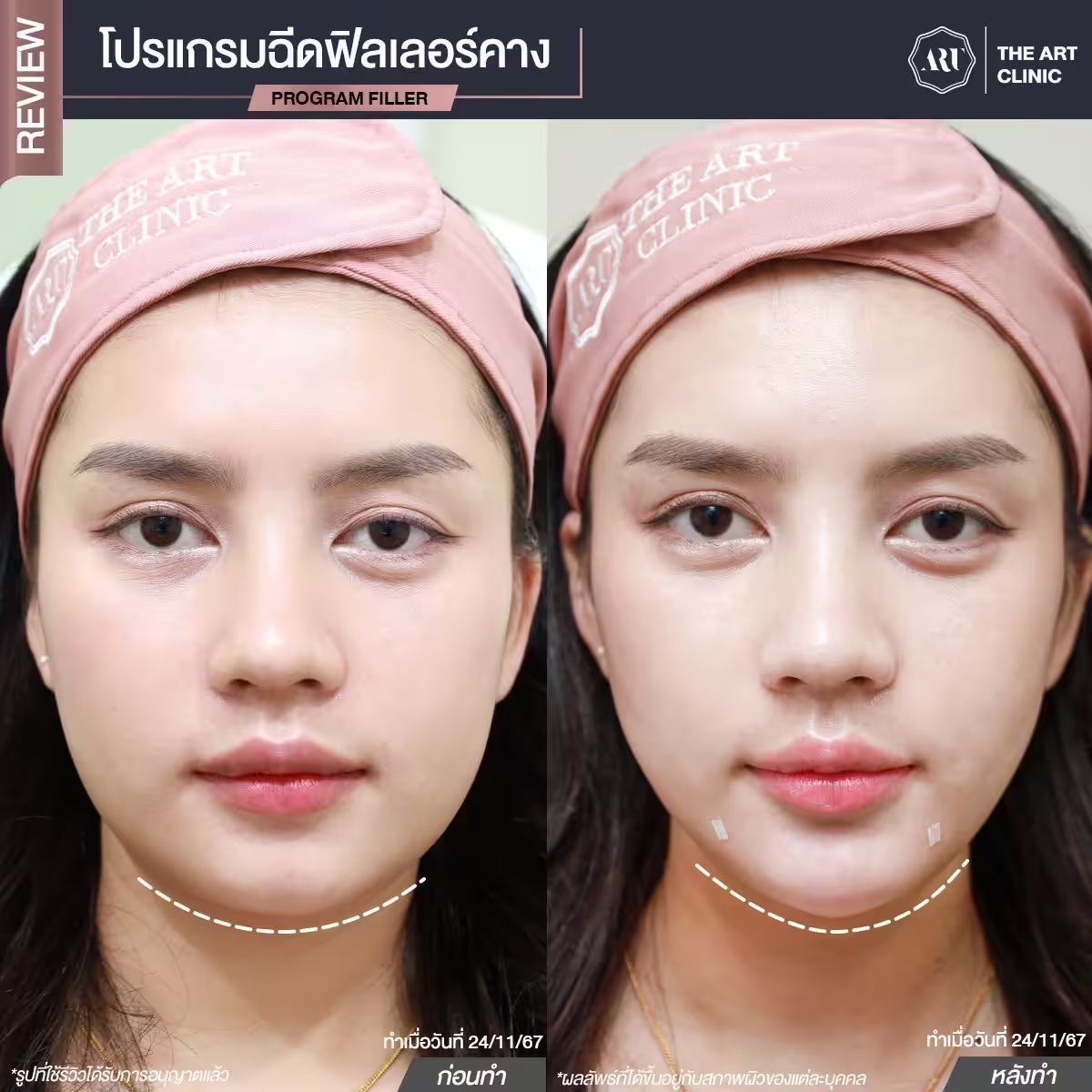
Fillers: A Compelling Option for Fixing Facial Shape Concerns
Filler injection reshapes the face by adding a volumising substance to the exact spots that need correction, rebalancing the face and enhancing its features for a more symmetrical, beautiful look. It suits those who want to try a temporary facial change before committing to a permanent procedure. For anyone seeking a clinic experienced in fillers, The Art is a choice you can trust — with care at every step and results that boost clients' confidence in their own image
Contact us for more information at
References
- American Board of Cosmetic Surgery. (n.d.). Learn about injectable dermal fillers. https://www.americanboardcosmeticsurgery.org/procedure-learning-center/non-surgical/injectable-fillers-guide/
- Cleveland Clinic. (n.d.). Dermal fillers. https://my.clevelandclinic.org/health/treatments/22667-dermal-fillers
- U.S. Food and Drug Administration. (n.d.). Dermal filler do’s and don’ts for wrinkles, lips and more. https://www.fda.gov/consumers/consumer-updates/dermal-filler-dos-and-donts-wrinkles-lips-and-more
